


On most weekday mornings, corporate buildings around the world look almost identical. People walk in with coffee cups in one hand and phones in the other. Laptops open. Calendars fill up. Meetings begin. Deadlines chase the clock. Everyone seems busy. Everyone seems productive. But if you pause for a moment and observe closely, you might notice something else happening quietly in the background.
People are working together more than ever, yet many feel more disconnected than ever before.
And that raises an uncomfortable question:
Are we building successful careers while slowly losing meaningful human connections?
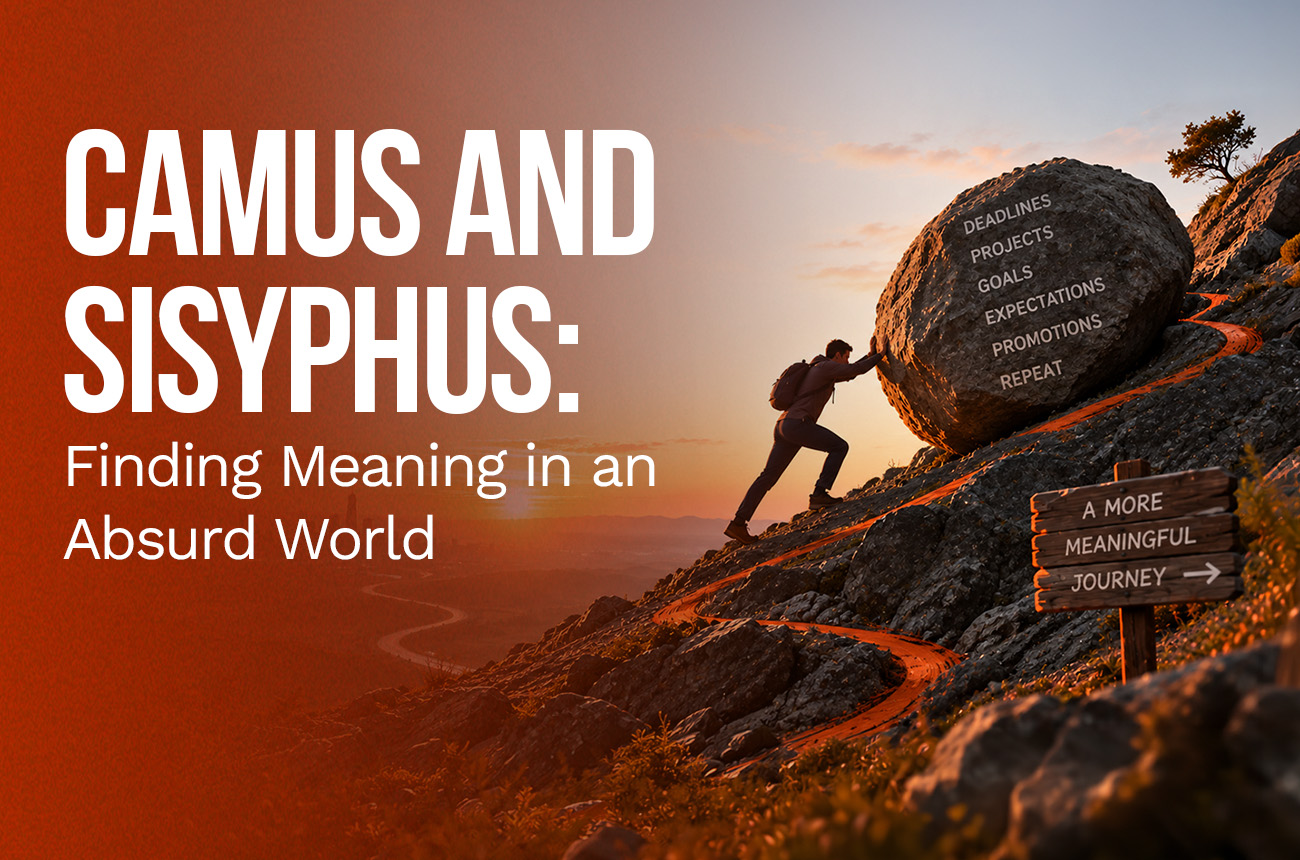
The moment we step into the professional world, we are introduced to a familiar script. Work hard. Get promoted. Earn more. Build a successful career. Now, don’t get me wrong. None of these goals are wrong. In fact, ambition has always been one of the driving forces behind innovation and progress.
But somewhere along the way, something subtle happens.
Our calendars become full, but our conversations become shorter. Our networks become larger, but our relationships become thinner. Our achievements grow, but our sense of belonging sometimes shrinks.
A simple example of this is that many professionals today have hundreds of connections on LinkedIn, yet very few people they truly talk to at work.
Loneliness is a feeling that stems from a perceived lack of meaningful connection, rather than just being physically alone. It is an, often sudden, emotional response to social isolation or feeling misunderstood and unimportant, which can occur even when surrounded by others.
Corporate life rarely talks about loneliness. After all, how can someone be lonely when they are surrounded by colleagues, clients, and teams every day?
But the truth is, loneliness is not about the number of people around us. It is about the depth of connection we share with them. You may sit in back-to-back meetings for eight hours and still feel unheard. You may collaborate on projects with multiple teams but still feel invisible or you may work in a crowded office yet experience an emotional distance that no open floor plan can fix.
Many professionals today are professionally connected but personally disconnected.
Modern workplaces celebrate efficiency. Performance metrics. KPIs. Quarterly targets. Utilization percentages. These systems help organizations grow, but they can unintentionally create a culture where people feel valued only for their output, not for their presence.
In such environments, conversations slowly change.
Instead of asking: “How are you doing?”
We ask: “Is the task done?”
And instead of asking: “Do you need support?”
We ask: “What’s the status update?”
Gradually, workplaces begin to feel less like communities and more like well-organized machines.
Leadership conversations today often focus on strategy, technology, and growth. But one important leadership question is often overlooked: Do our workplaces make people feel connected?
Connection at work does not come from team-building events alone. It comes from small, consistent moments like a manager who listens without rushing or a colleague who checks in during a difficult week. A team that celebrates effort, not just results.
These simple interactions create psychological safety, the feeling that people can show up as humans, not just employees.
Leadership thinker, Simon Sinek often talks about the importance of building environments where people feel safe, trusted, and valued. Because when people feel connected, they don’t just work harder. They care more. And that difference changes everything.
Have you ever noticed this feeling?
You might feel exhausted after spending just a few hours walking around a mall. But when you spend an entire day shopping in the lively streets of the city, especially in a place like Jaipur, where the markets are vibrant and full of life, you somehow don’t feel the same fatigue. Despite walking more, exploring more, and shopping all day, the energy of the place keeps you going.
If yes, then my friend, you have already experienced something interesting about human energy. It is not always the distance we walk that makes us tired. Sometimes, it is the environment we are in.
In a mall, everything is organized, predictable, and controlled. The lighting is the same, the music repeats, and every store begins to feel similar after a while. You move, but your mind slowly loses stimulation. But step into the old markets of a city like Jaipur.
The streets are alive. Vendors call out to customers. Colors, sounds, and conversations fill the air. Every turn shows you something new.
Suddenly, you are walking more than you did in the mall and yet you don’t feel the same exhaustion.
Because energy often comes from connection, curiosity, and human interaction. And interestingly, the same thing happens in workplaces too.
Ironically, the corporate world has never had more tools for communication. Instant messaging. Video calls. Etc. We can connect with colleagues across continents in seconds. Messages travel faster than ever. Meetings can happen without anyone leaving their desk.
And yet, many employees say they feel less personally connected at work than professionals did a decade ago. Digital communication made work faster. But meaningful connection rarely happens at high speed. It happens in the small pauses between tasks.
The key idea is:
The mall = structured but emotionally dull workplace The city market = vibrant, human-centered workplace
It’s almost like walking through a mall which is efficient, productive, but strangely exhausting. Because meaningful connection, much like the energy of a city market, rarely comes from perfectly structured systems. It comes from human interaction.
The five-minute conversation after a meeting. The laughter during a coffee break. The honest discussion during a challenging project. These small moments may seem ordinary, but they are what transform a workplace from a well-organized mall into a lively marketplace of ideas and relationships. And those moments are what truly build trust.
Perhaps the real challenge is not choosing between career growth and human connection. The real challenge is building workplaces where both can exist together.
Where ambition does not erase empathy. Where productivity does not replace conversation. Where success is not measured only in numbers but also in relationships. Because in the end, the strongest organizations are not just built on strategy or technology. They are built on trust, collaboration, and human connection.
Perhaps the real question is not whether careers are important. Of course they are. Work gives us purpose, growth, and the opportunity to create something meaningful.
But somewhere in the race toward promotions, performance metrics, and professional milestones, we must pause and ask ourselves something deeper.
What kind of workplaces are we building along the way?
Are they efficient like malls: structured, organized, and productive, yet emotionally distant? Or are they more like the vibrant city markets: full of conversation, curiosity, human warmth, and connection?
Because in the end, long after the presentations are forgotten and the projects are completed, what people remember most about their careers is rarely the tasks they finished. They remember the people they worked with and how those people made them feel. So perhaps the real reflection for all of us is this:
In our pursuit of successful careers, are we also building meaningful connections along the way?
Because the strongest careers are not built alone. They are built together.

Currently working as a QA Intern at MIDCAI, I’m learning the ropes of software testing, understanding project workflows, and growing through hands-on experience in a fast-paced environment. Beyond tech, I’m deeply interested in writing, workplace dynamics, and exploring the realities of office culture through observations and conversations.
Get in touch with us for any enquiries and questions
Define your goals and identify areas where technology can add value to your business
We are looking for passionate people to join us on our mission.
where your skills fuel innovation and your growth powers ours